Casa de San Jose

ray aguilar crown

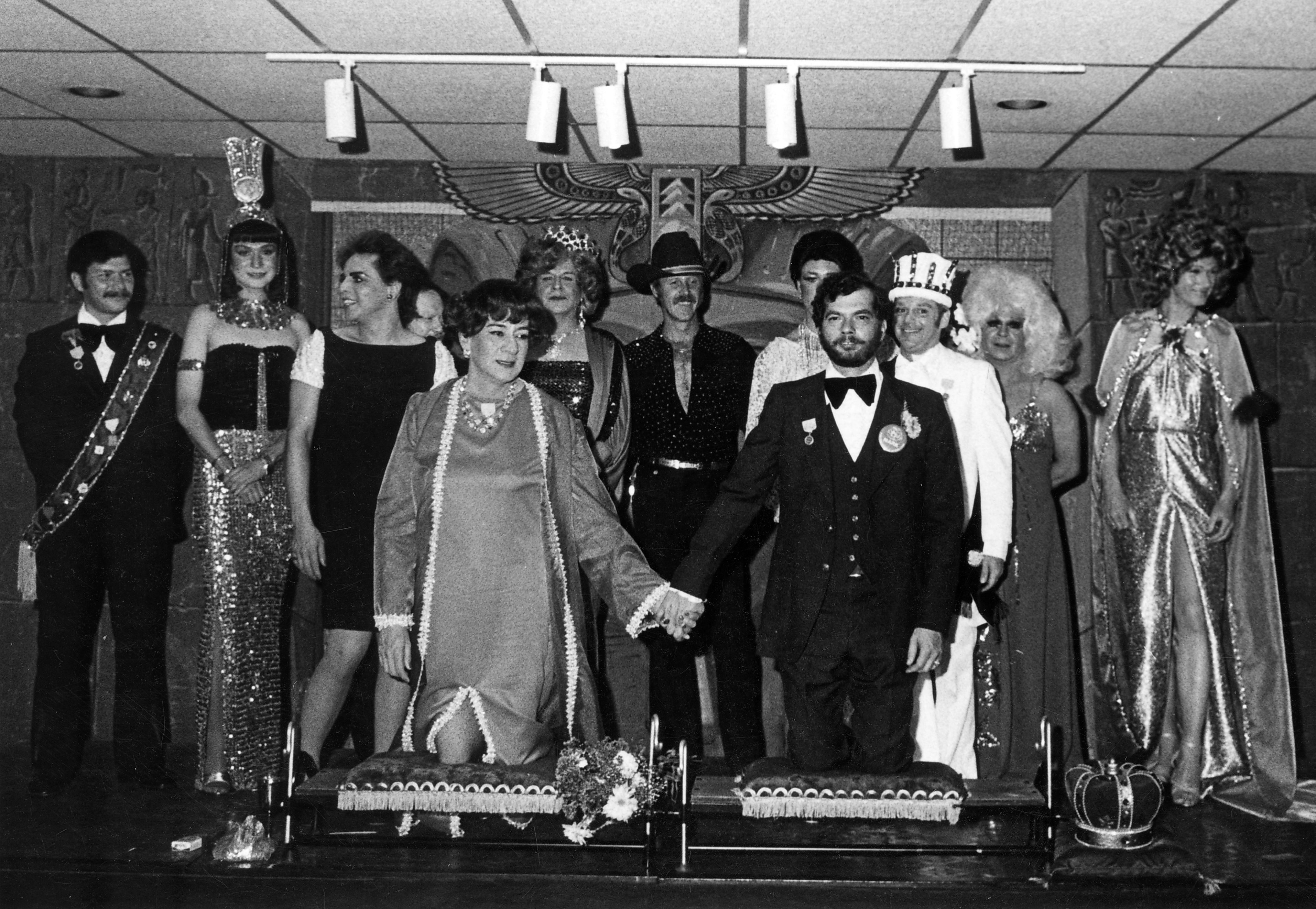
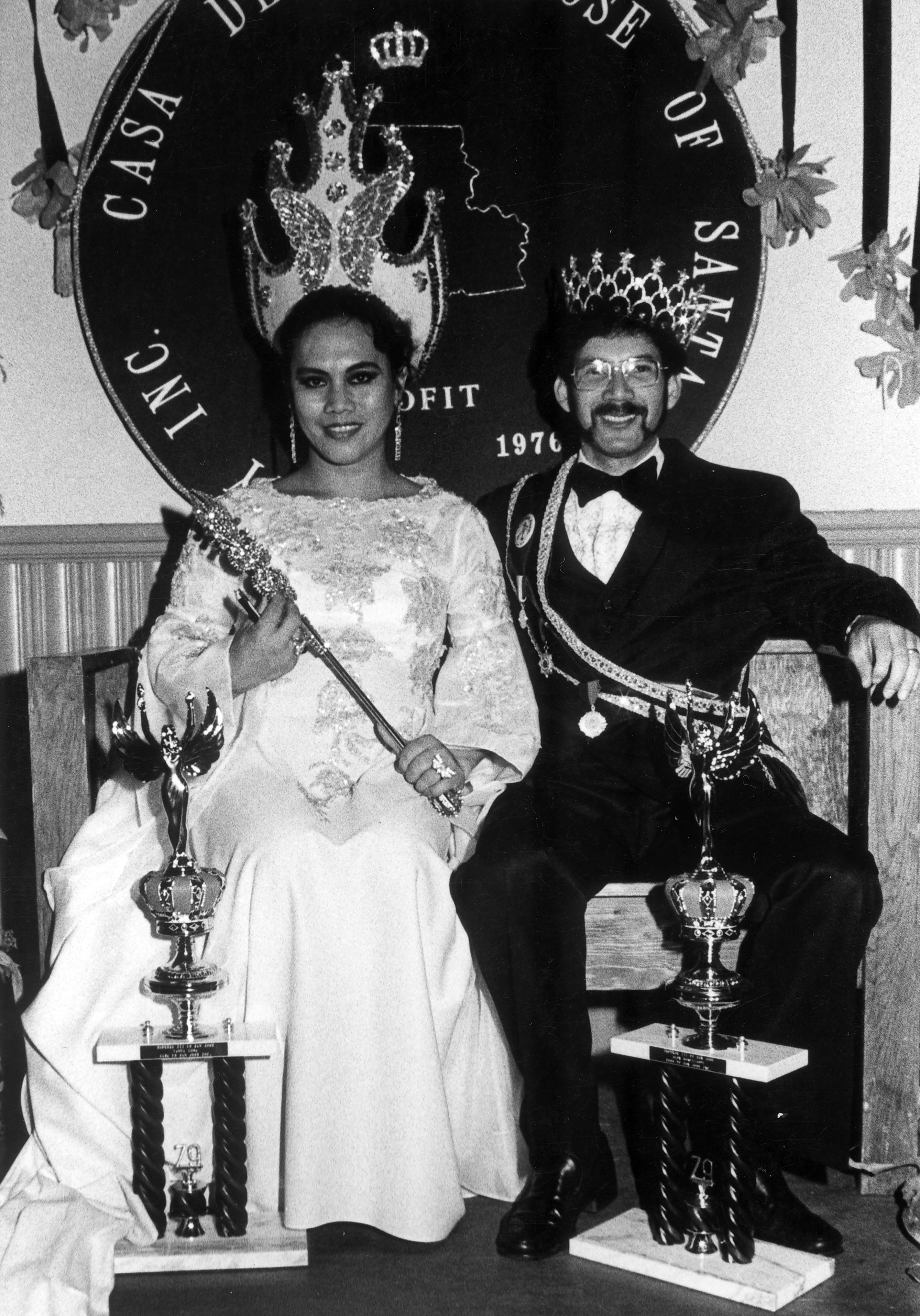
In the early days of Casa de San Jose’s informal association of drag queens, they would travel to San Francisco for the city’s world-famous drag shows. Ray Aguilar, a San Jose drag queen, requested permission to form an IICS chapter in San Jose, which formed as Casa de San Jose of Santa Clara County Inc in the early 1970s. In 1990, the organization was reincorporated as The Imperial Royal Lion Monarchy, Inc. of San Jose.

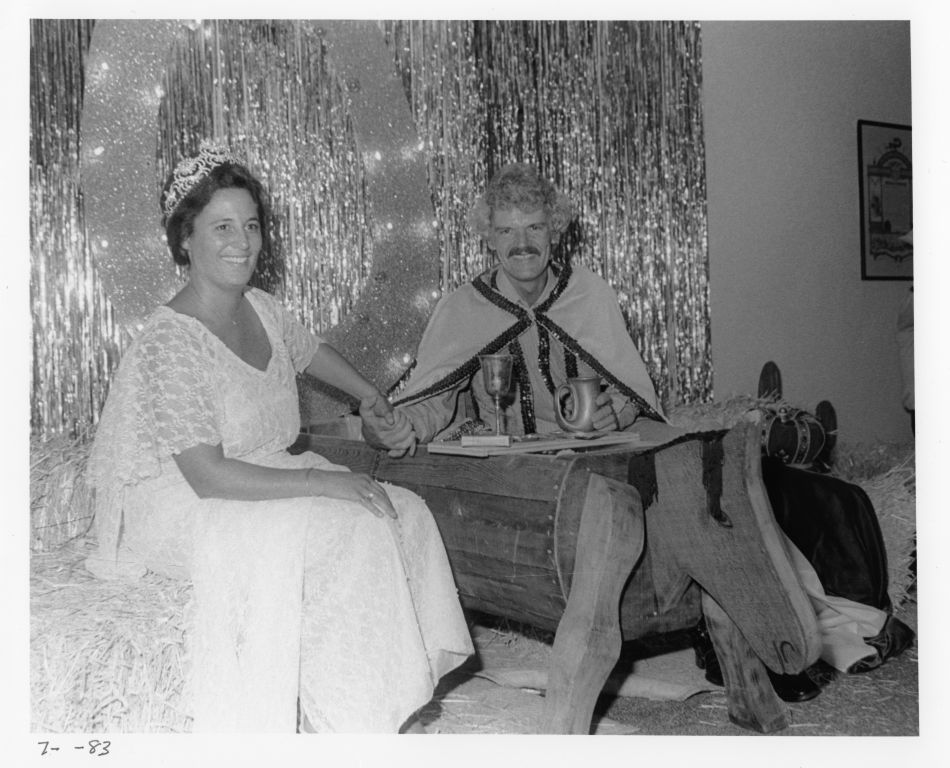
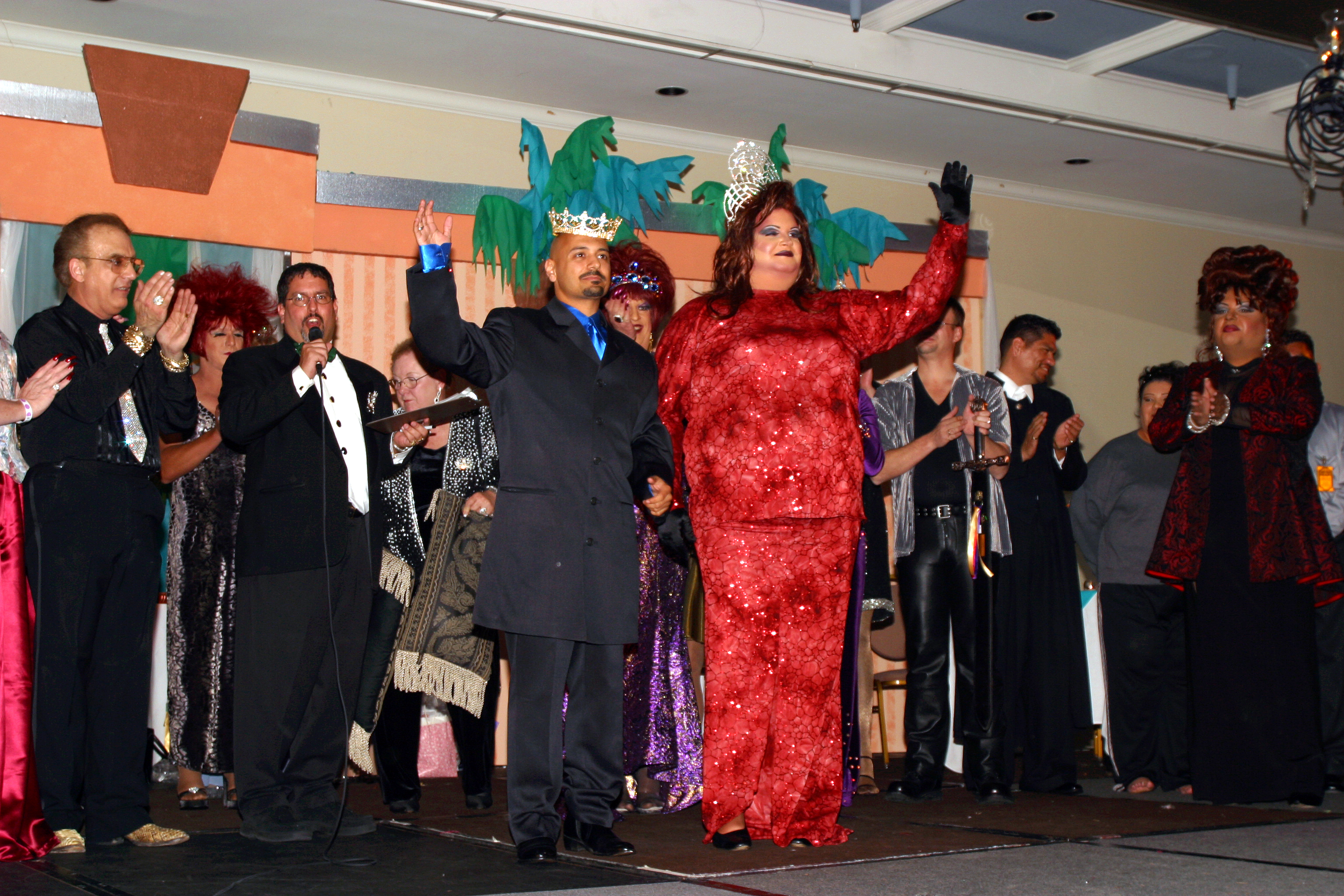
Casa de San Jose elected a full royal court every year: an emperor and empress, crown princes and princesses, czar and czarina, and grand dukes and duchesses. Every March, the Grand Coronation Ball served as large fundraising events and the election of the new emperor, empress, and court. Title rules were as follows: anyone was eligible, regardless of sexual orientation and gender, but they must reside in Santa Clara County and demonstrate successful sponsorship of community fundraising events.

Unlike many other courts, the Imperial Court in San Jose was open to people of all genders and sexual orientations to participate, including running for emperor and empress. Anyone in attendance could vote (with proof of residence) by placing their ballots at a table in the front of the hall to be counted later. Winners were then escorted on stage to be crowned by the host emperor and empress.

Kevin Roche remembers during his time as an Emperor: “My empress is actually transgender and she had strong connections into that community. We actually got a bunch of members of Carla Salon, which is a transgender social club, to come out and join us. Carla’s was a place where they could go and they could dress up and no one would see them, but they could do that at a court event because no one was surprised to see masculine looking people in dresses. A number of them actually joined and were some of our most effective members. That was really fun to see them being in public where that part of themselves could come out.”

Various balls raised money for different causes. The money raised was donated to charitable organizations, including the American Heart Association and American Cancer Research. As the AIDS crisis grew, they began donating to the Visiting Nurses Association and local AIDS charities.

In the early days, almost every drag performer in San Jose was involved in the Imperial Court. To join the Imperial Court, one had to come out during the Closet Ball. The Closet Ball was a way for amateurs new to performing to debut their drag personas and find mentors to help develop their performance. The performers had to be sponsored by an established queen and they were given an hour to transform into their drag persona.

Kevin Roche’s experience at the Closet Ball was showbusiness disappointment. “San Jose has had both drag queens and drag kings. So Lucy [Manhattan] talked me into entering the Closet Ball one year. It was awful. I worked really hard on it and the person who won had actually been performing weekly, but Lucy said, ‘If you’ll forgive me for getting you into this, there’s a charity show I’m doing in a month and I’d like to work with you and help you actually put together an act.’”

In recent years, pageants overtook the Imperial Court in popularity in San Jose. Pageants run outside the Imperial Court system, and many have opted to participate in those instead. The Imperial Court of San Jose dissolved in 2018. Those who wanted to continue participating in court traditions joined the San Francisco Imperial Court, which also permitted them to keep any titles earned in San Jose.

imperial-court.jpgimperialroyalcourt-1.jpgcarmelita-and-king-imperial-court.jpgcrowning-the-next-emperor.jpgempress-xiii-crescent-shalimar-and-emperor-iv-smokey.jpgdarlene-lutz-dorene-tinney.jpgimperial-royal-lion-monarchy-board-1994.jpglou-lou-empress-xiv-mark-dalton-emperor-v.jpgqueen-mother-ii-goldie-montana.jpgroyal-members-the-annual-imperial-court-event.jpgtanya-luna-and-alex-mendizabel.jpgtanya-luna-and-alex-mendizabel-1.jpgimperial-court-3.jpgimperial-court-1.JPGimperial-court-2.JPG

El Camino Reelers

El Camino Reelers 2021

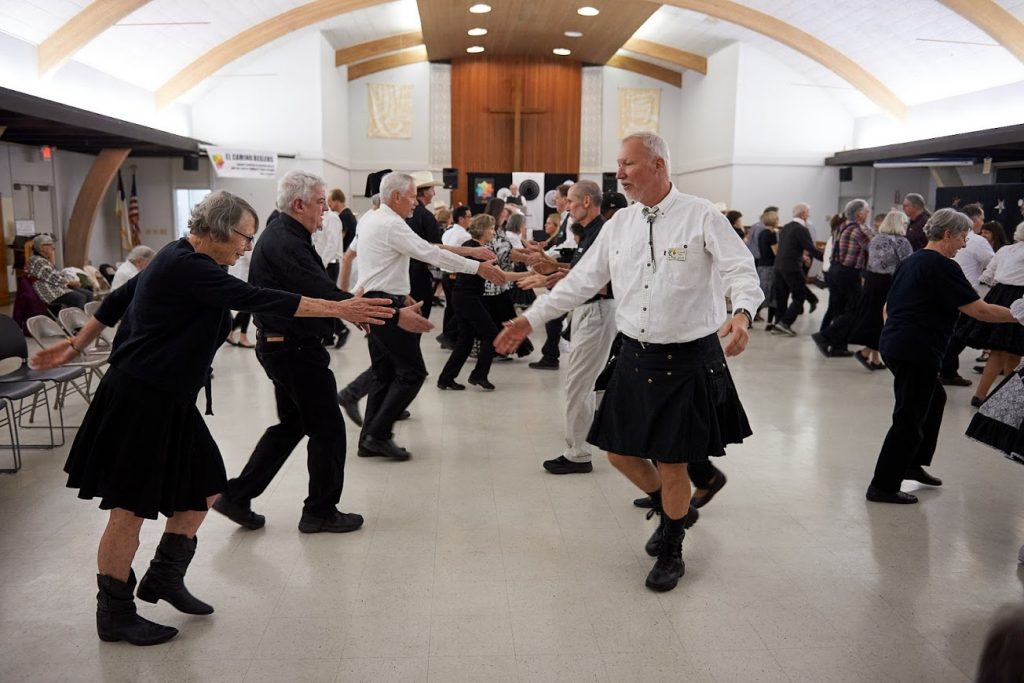
Square Dance calls to “Do-Si-Do,” “Promenade” and “Roll Away To A Half Sashay” became a welcome pastime for the LGBTQ community to socialize, stay active and sometimes even find love. 

The El Camino Reelers is a modern Western Square Dance club in the South Bay, formed in Palo Alto in September 1985 by lesbians and gay men looking to have fun and meet open-minded people.

More than three decades later, members continue to square dance to country music and traditional folk, as well as soul, disco and show tunes inside St. Andrews United Methodist Church, 20 minutes west of San Jose.

Tickets to attend the smoke-free and alcohol-free environment never require a partner, fancy outfit, coordination or knowledge about dancing. Members don’t even need to be part of the LGBTQ community.

This is far from an isolated phenomenon in the South Bay.

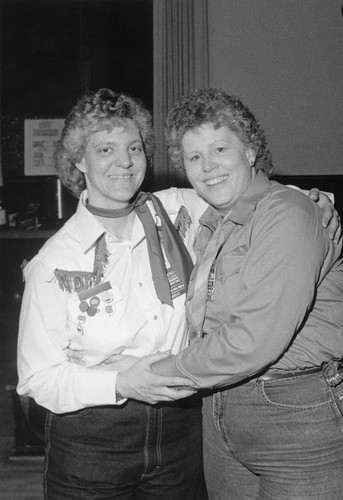
Marilyn Martinyak Pat Dixon
Marilyn Martinyak (left) and Pat Dixon (right)

El Camino Reelers were part of a wave of LGBTQ square dancing clubs that popped up nationwide, after intramural social “teams” first organized in Miami in January 1977. That same year, square dancing found its way 3,000 miles west in San Francisco, and three GLBTQ square dance clubs had formed by 1981.

Eventually, two members of San Francisco’s Western Star Dancers — Marilyn Martinyak and Patricia Dixon — started El Camino Reelers as an alternative to the clubs an hour away in the city. Marilyn and Pat were together for 27 years before marrying in Sunnyvale in 2008.

Early membership was comprised of mostly women during initial classes, but attendance grew through word of mouth and advertisements in newsletters of LGBTQ organizations, including High Tech Gays.

Within a year of its inception, El Camino Reelers became a member of the International Association of Gay Square Dance Clubs. As of 2021, the IAGSDC includes more than 80 clubs – primarily in the United States and Canada – and hosts an annual convention that brings together more than 1,000 dancers.

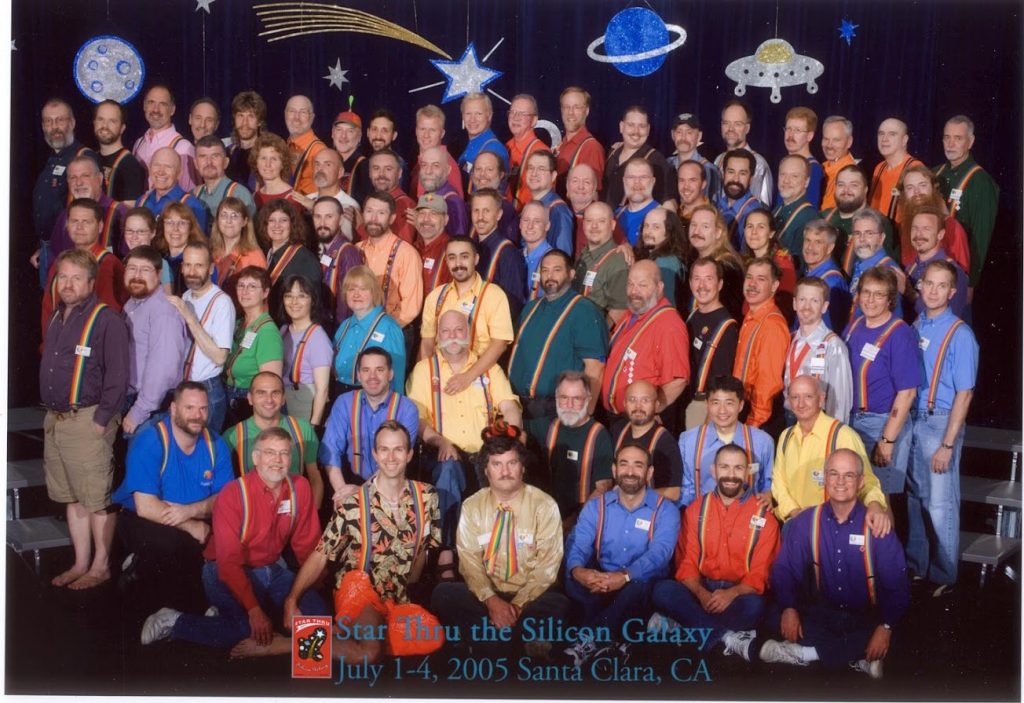
The El Camino Reelers became well-known as a “geek repository” due to its location in Silicon Valley, and members who worked at Adobe, Sun, Google, and Yahoo. The club lived up to that reputation in 2005, when they hosted more than 800 attendees at the 22nd annual convention, dubbed “Star Thru The Silicon Galaxy,” at the Marriott Santa Clara. Several smaller weekend gatherings, called “fly-ins,” were held every fews years in Cupertino, Palo Alto, Redwood City and San Jose from 1995 to 2010.

The El Camino Reelers are one of a dozens of clubs across the Bay Area, but remain the sole LGBTQ-specific organization in Santa Clara County.

The last live club night was Wednesday, March 11, before the Covid-19 pandemic halted in-person gatherings and activities. Virtual club nights resumed on April 14, hosted through Zoom every other week.

More information can be found on the El Camino Reelers website, as well as within the IAGSDC History Project, founded by Allan Hurst, a dancer, caller, and writer from Sunnyvale, California.