October 7th, 2020

baymec post 1

LGBTQ+ History Month – Day 7

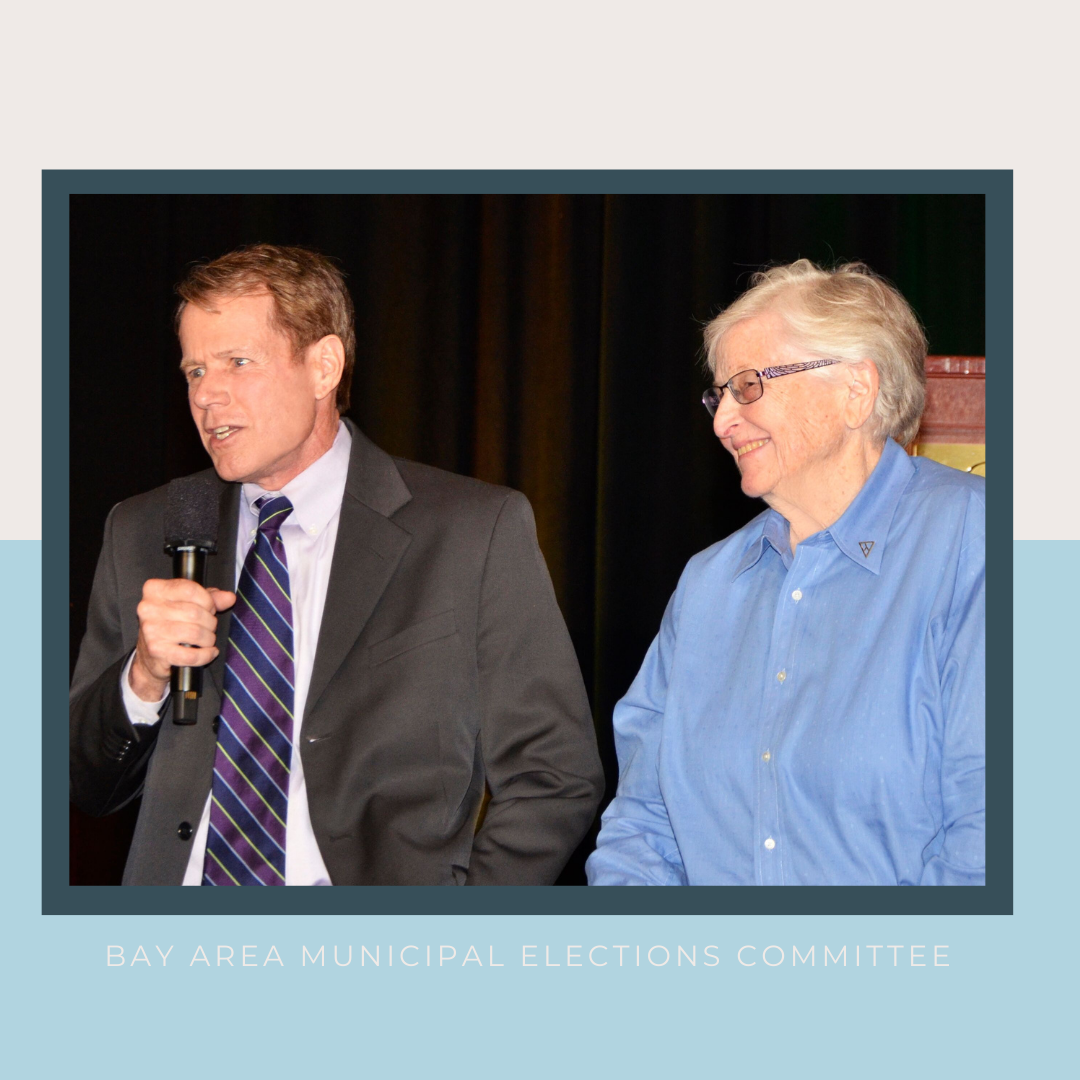
In 1984, the San Jose LGBTQ+ community was reeling from the 1980 repeal of city and county ordinances which would have given gays and lesbians protection in housing and employment. In a mean-spirited and homophobic campaign, the fundamentalists used such slogans as “Don’t let it spread,” “Vote no for the sake of our children,” and “Enough is enough” to sway voters not to support the ordinances. The defeat was undeniable: 75% of voters thought LGBTQ+ people should not have any civil protections.

It was in this political and moral wasteland that in1984 Ken Yeager and Wiggsy Sivertsen founded BAYMEC—the Bay Area Municipal Elections Committee—a political action committee (PAC). They knew no one was asking elected officials about LGBTQ+ issues, nor holding them accountable for their votes. Forming a political action committee that fought for the rights of queer folks would be the best way to create meaningful political change.
Read more

October 7th, 2020

wiggsy post 1

LGBTQ+ History Month – Day 7

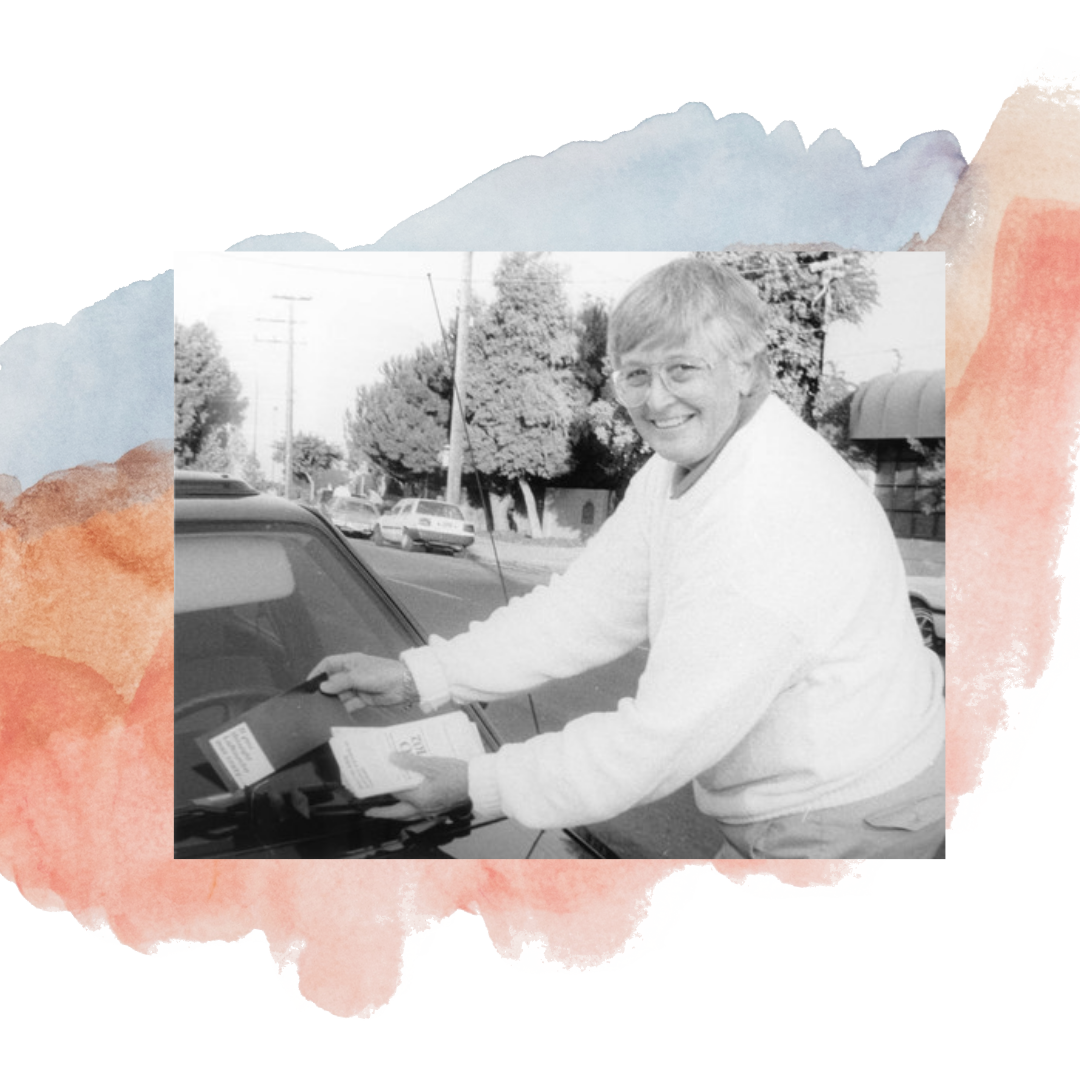
There are few San Jose LGBTQ+ activists whose reach has been as wide as Wiggsy Siversten. Read about her 50 year career fighting against religious bigots and for LGBTQ+ rights. From the Briggs Initiative in 1978, to the AIDS quarantine initiative in 1986, to conducting LGBTQ+ sensitivity programs to the San Jose Police and Fire Departments, to supporting same-sex marriages, Wiggsy has been front and center in the LGBTQ+ community.

In 1984, Wiggsy and Ken Yeager had drinks at Toyon Bar in San Jose, and chatted about the need for an LGBTQ+ political group in San Jose. It was from this conversation that the Bay Area Municipal Elections Committee (BAYMEC) was born.


Read more

October 6th, 2020

Slug Post 1

Day 6 of LGBTQ+ History Month

“We don’t do these things for ourselves as leaders, we do them for the community itself.” – Graylin Thorton, SLUG member

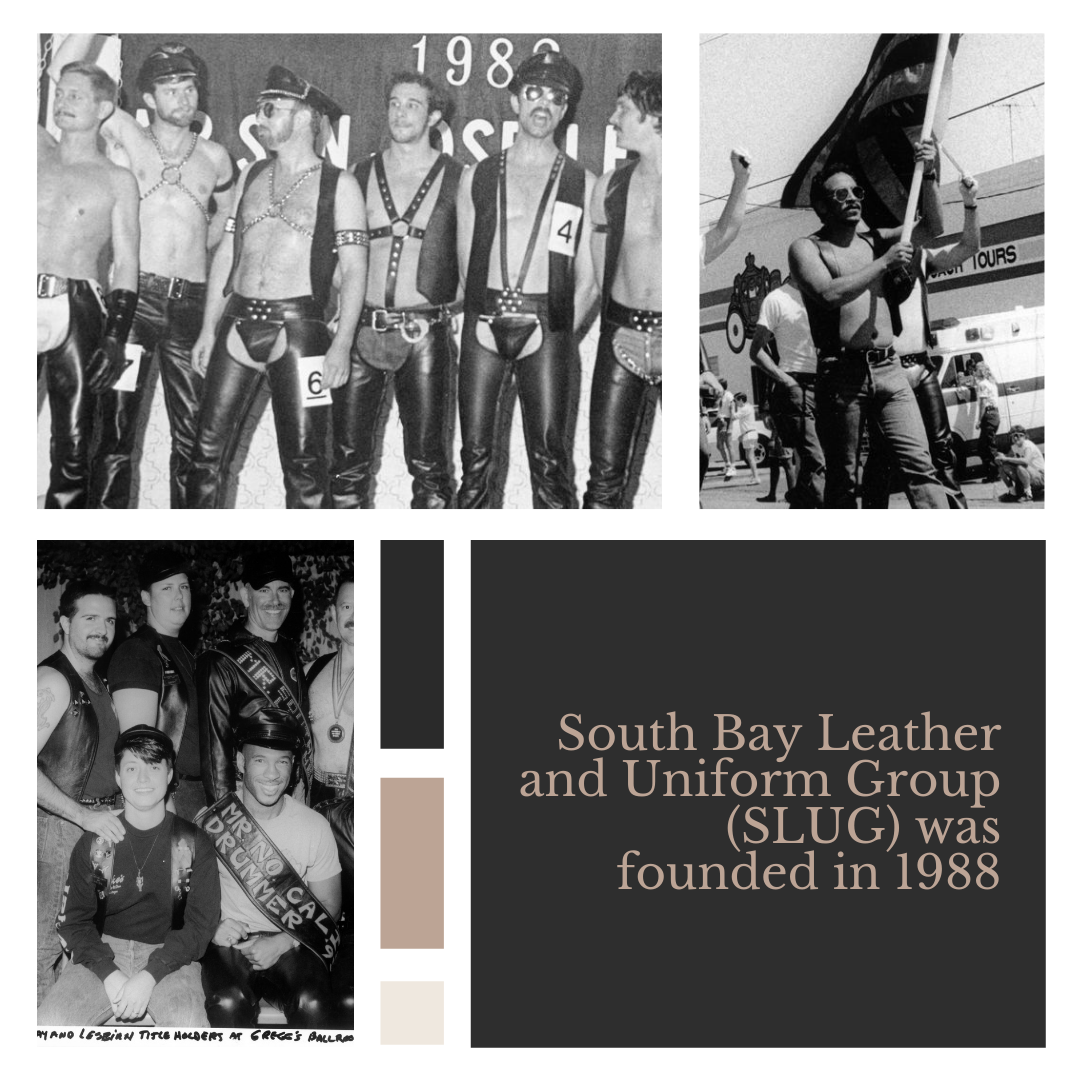
South Bay Leather and Uniform Group (SLUG) was founded in 1988, and went on to be a facet in the LGBTQ+ community. Through the celebration of diverse fetish communities, SLUG embraced their community members and provided them with a space to thrive. SLUG disbanded in the mid 2000s and the Santa Clara County Leather Association took its place.


Read more

October 5th, 2020

Rainbow Womens Chorus

Day 5 of LGBTQ History Month:

In 1996 Silicon Valley Gay Men’s Chorus (SVGMC) returned from the GALA (Gay and Lesbian Association) choral festival in Tampa, Florida, so inspired that they wanted to host a GALA Choruses Festival here in San Jose. However, GALA required that both men and women singers be represented, so SVGMC formed the chorus now known as Rainbow Women’s Chorus. Lynne McLaughlin, former director of SVGMC, became its music director.

Rainbow Women’s Chorus works together to develop musical excellence in an atmosphere of mutual support and respect. They perform publicly for the entertainment, education and cultural enrichment of our audiences and community. They sing to enhance the esteem of all women, to celebrate diversity, to promote peace and freedom and to touch people’s hearts and lives.

Read more

October 5th, 2020

SVGMC Post 1

Day 5 of LGBTQ History Month:

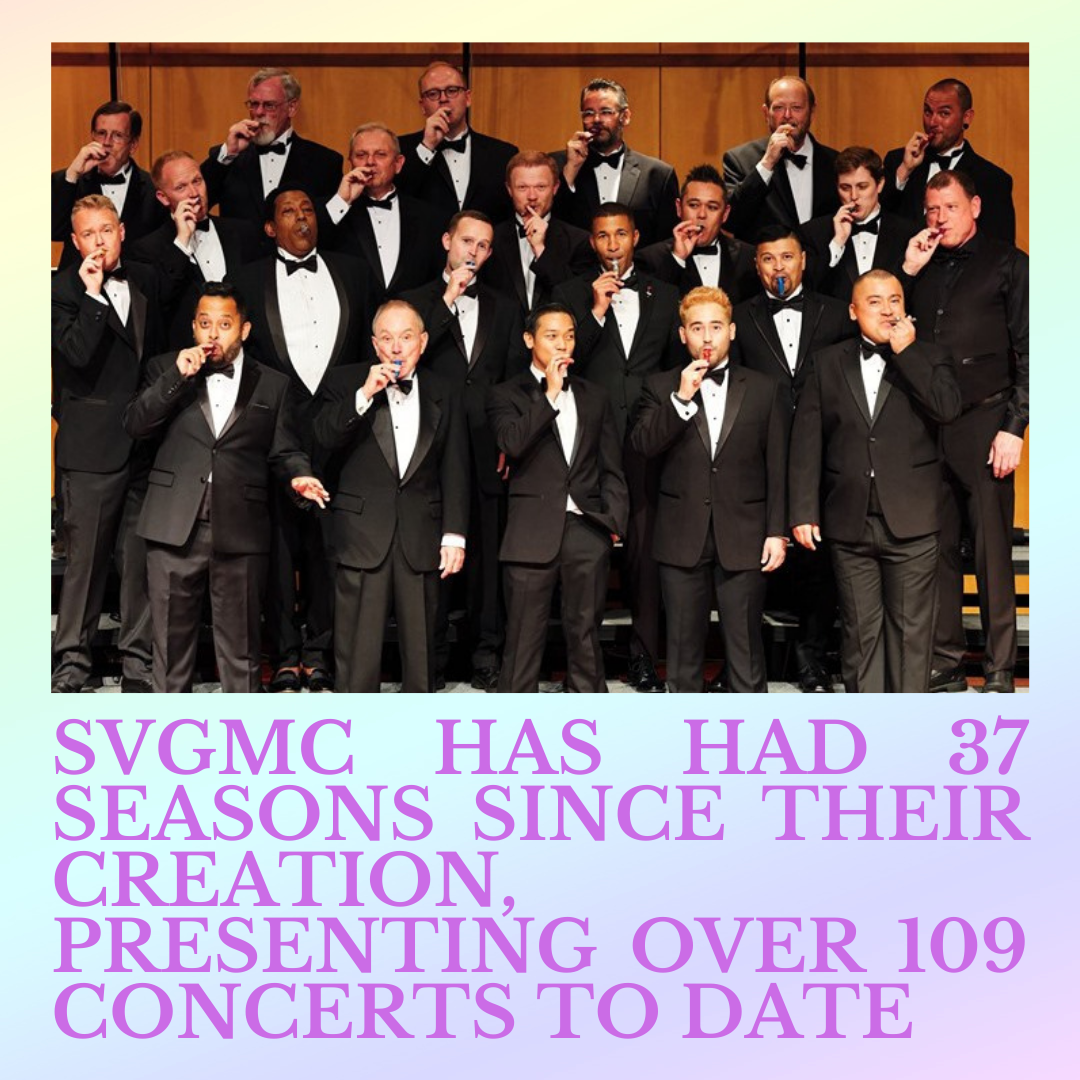
Founded in 1983, Silicon Valley Gay Men’s Chorus was first called the Liedermann Chorus of San Jose. A group of ten men sang the first full-length concert under the direction of Robert B. Welton on June 16, 1984 as part of San Jose’s Gay Pride Celebration. Since then, they’ve been in operation for 37 seasons, won numerous rewards, and acted to promote diversity and inclusion in their community.


Read more

October 4th, 2020

flags post 1

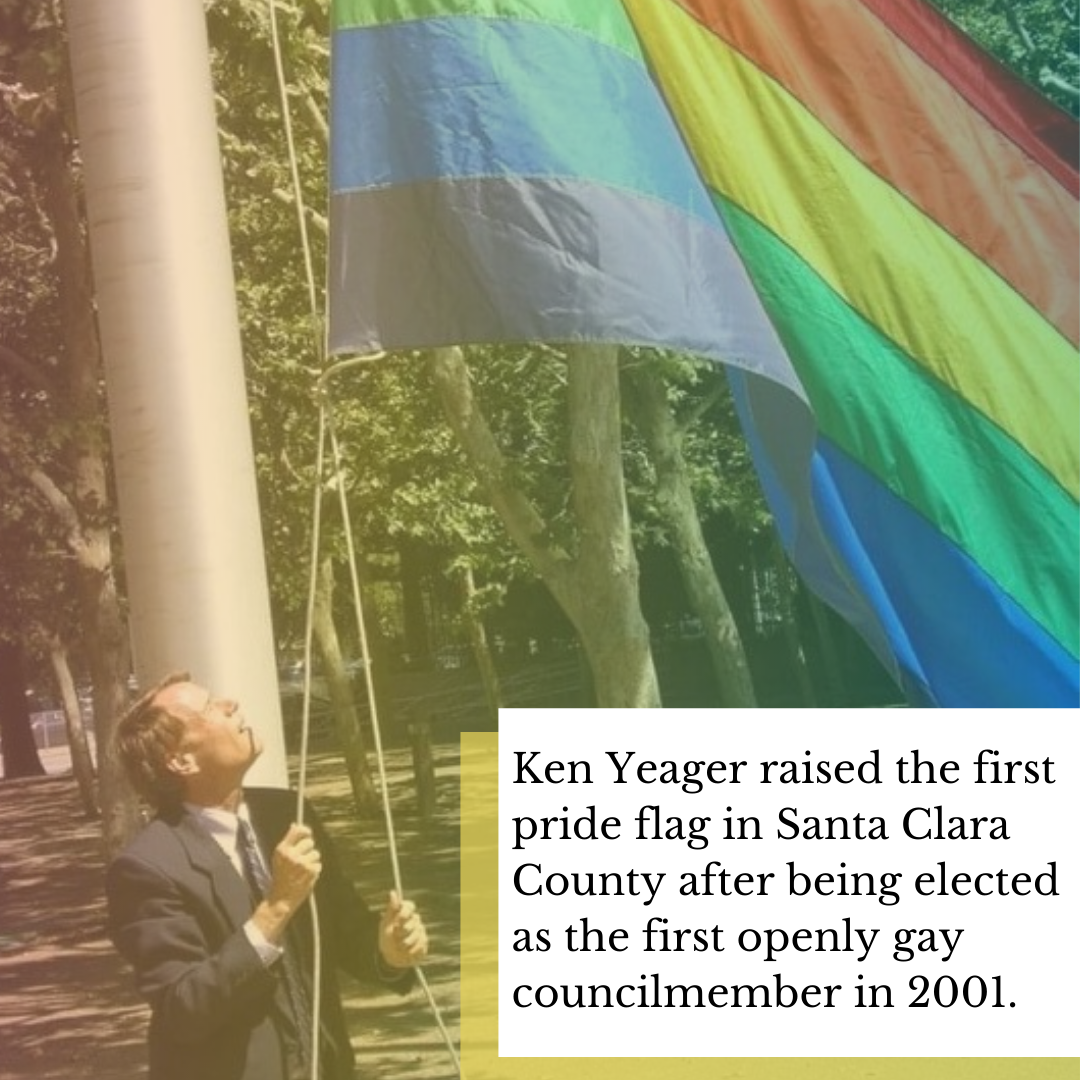
Ken Yeager was the first openly gay councilmember elected to the San Jose City Council in November 2000, taking office January 1, 2001. In June 2001, Yeager asked the city manager and Mayor Ron Gonzales if he could raise the rainbow flag in front of what is now called Old City Hall on Mission Street. They both agreed.

Read more

October 3rd, 2020

StanfordFirehouse Post 1

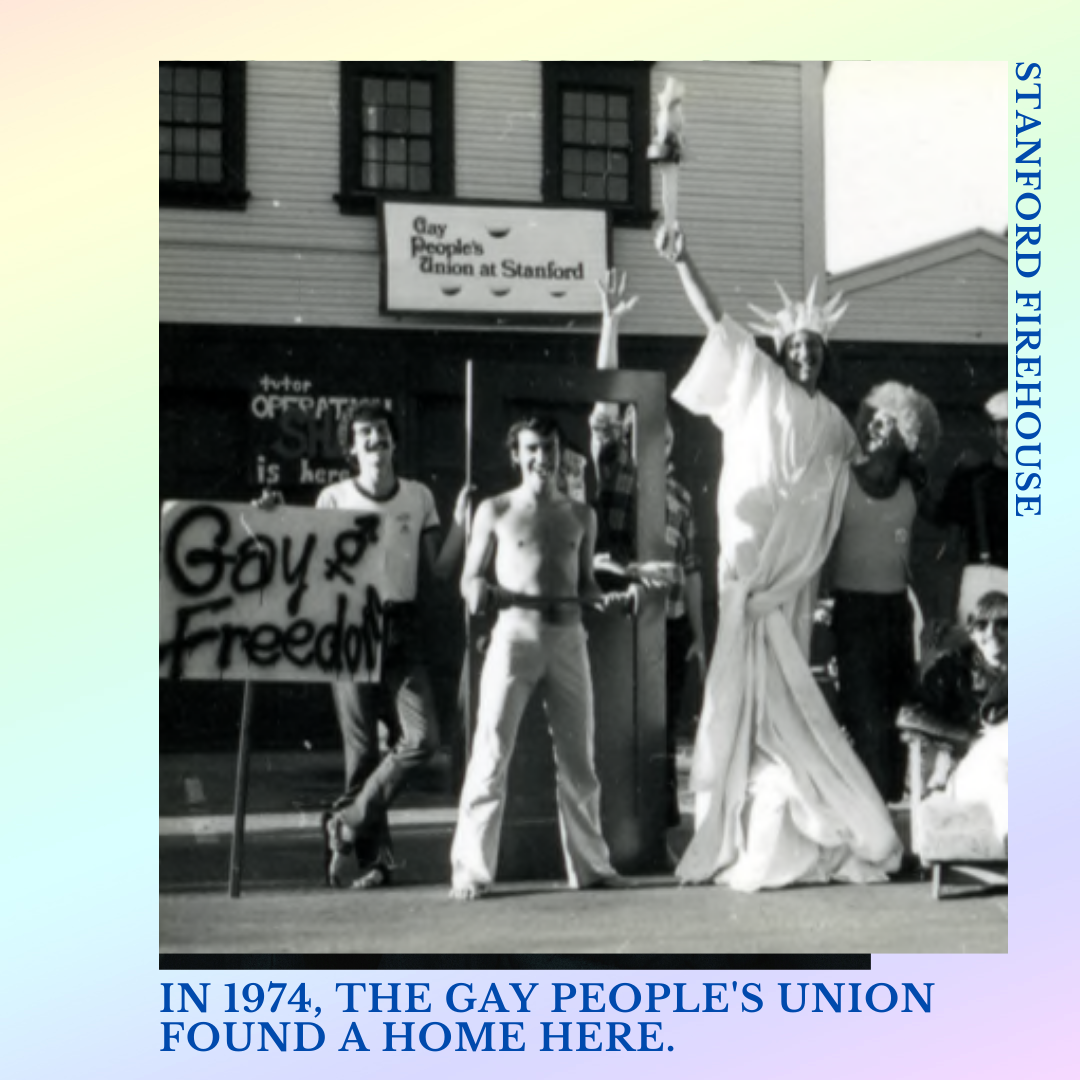
Stanford’s Old Fire Truck House became a hub for LGBTQ students and community members alike – one of the first campus organizations of its kind nationally. 

Built in 1904, the aptly named structure transitioned in the 1970s from housing fire trucks to community meetings for those who were queer, questioning or allies to connect and politically organize. Despite a history of name changes – from the original Gay People’s Union to today’s QSpot – students have walked up the Firehouse’s steep outdoor steps to find a community of their own on the second floor. 

Read more

October 2nd, 2020

pl 3

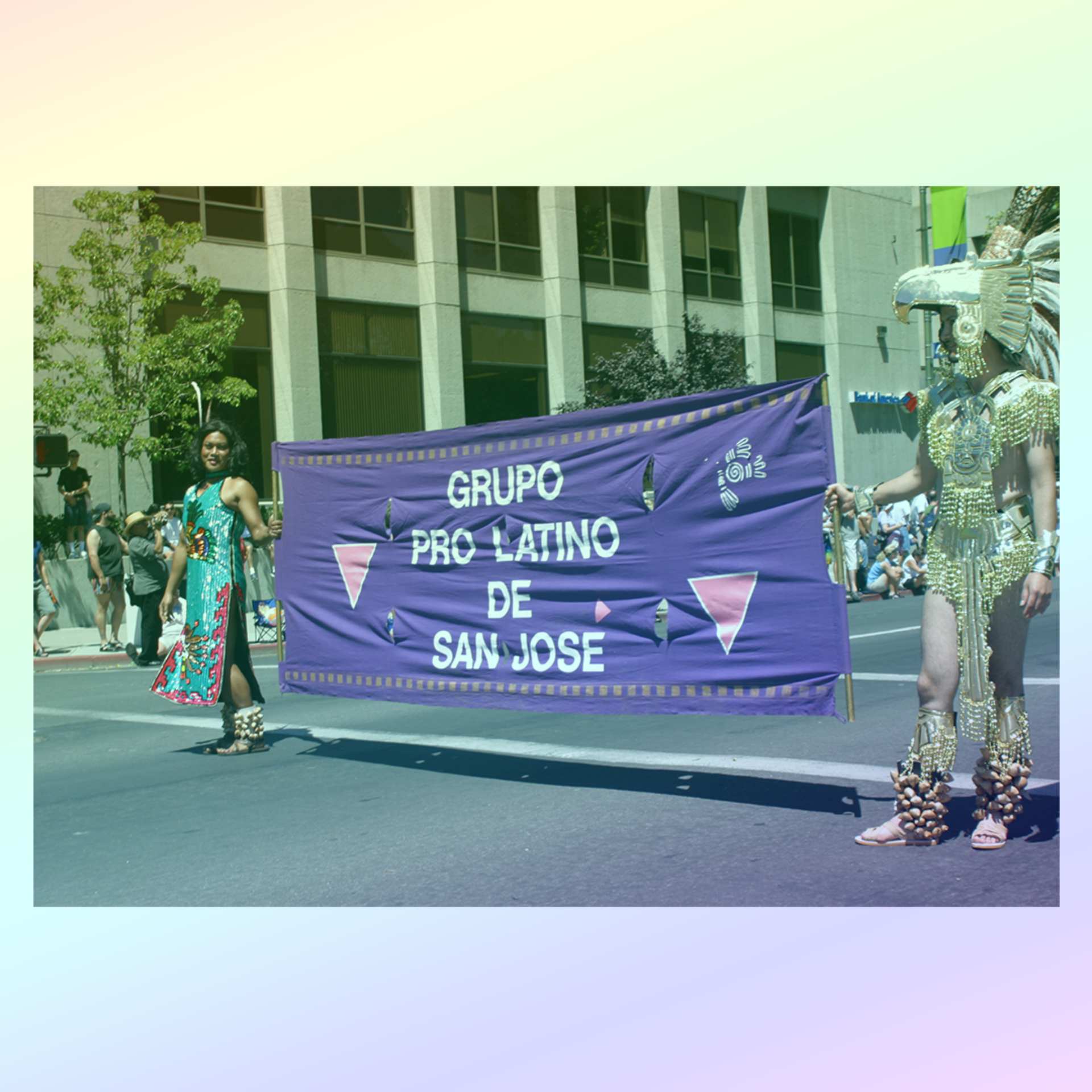
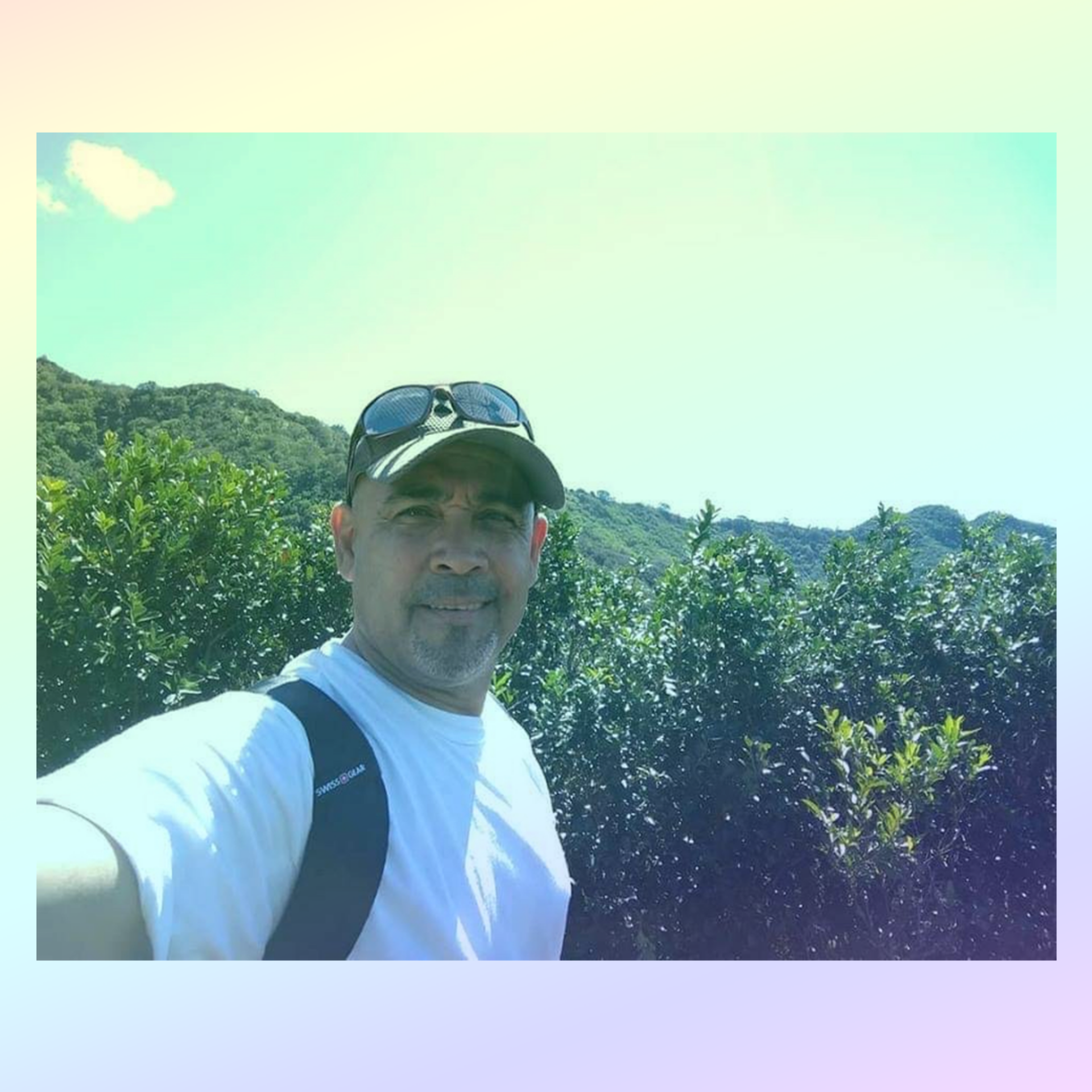
The first meeting of ProLatino was held in February 1992 at the Billy DeFrank Center. Thirteen people attended. The group formed out of the need for a safe environment for gay Latinos to meet and discuss their community, health, and HIV/AIDS. J Alejandro (Alex) Campos Vidrio was the first president of the group, and Omar Nunez was vice-president.

Alex organized meetings every other Tuesday, asking participants to bring a new person with them at each meeting. The group grew from 13 to 27, then 38, and kept going from there. Eventually, they couldn’t fit in the original meeting rooms. They moved to the main ballroom in the Billy DeFrank Center’s Stockton Avenue location.

Read more

October 2nd 2020

ac 4

J Alejandro (Alex) Campos Vidrio was a 21-year-old gay man living in San Jose when he discovered that there were no resources in his community to support people like him. So Alex took it upon himself to make a necessary change, which eventually led to the formation of the Latinx LGTBQ+ community group, ProLatino.

Read more

October 1st, 2020

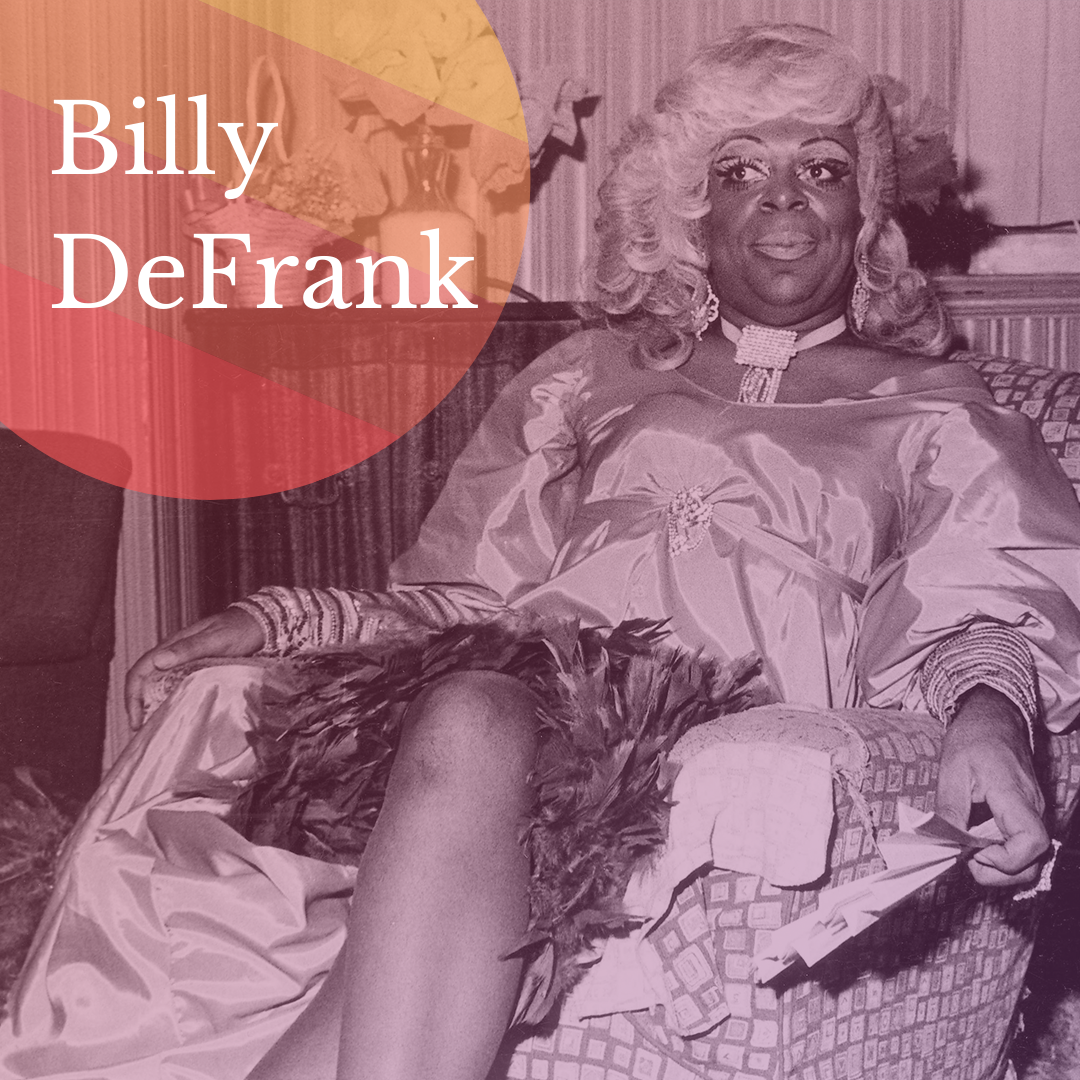
After a huge LGBTQ community meeting and brainstorming, the Billy DeFrank Center opened its doors on March 1, 1981, in a two-room storefront on 86 Keyes Street using the leftover funds from a failed campaign that left everyone depressed. Santa Clara County residents voted to repeal ordinances extending housing and employment protections to lesbians and gay men. Having a safe place, an LGBTQ Community Center, was a need at the time. And to embrace his generous and diverse spirit, the Center named itself after William Price, a popular, African American drag queen, Billy DeFrank. He loved everyone in the community and raised thousands of dollars for all the causes facing the community in the 1970s. He died in 1980, but his inclusive spirit lives on in the Center, even for our allies.

Read more.